THERAPY IN THE AGE OF AI 

Once a subject discussed behind closed doors, technological and cultural advances are making mental health therapy more widely accessible. The results are mixed.

The global mental health crisis runs deep. Half of the world’s population will experience mental illness at some stage, yet by current standards, over two thirds of those won’t receive the care they need. Health services are often under-resourced in this department, and social stigmas stand in the way of people seeking treatment. 

Whereas once mental health treatment was characterised by clinical hospital rooms and medication, or counselling sessions available only to those who could afford them, the way we treat conditions like depression and anxiety today is broader than ever, reflecting wider cultural trends and technological advances. Two developments in particular have peaked our interest. 

Firstly, the UK recently trialled a Green Social Prescribing programme to test nature-based treatments for mental health issues, with a focus on including groups previously underrepresented in similar studies, including ethnic minorities, lower socio-economic groups and young people. The trial found significant improvements in feelings of wellbeing and happiness across the board, with some participants describing the results as on par with counselling and even better than medication. 

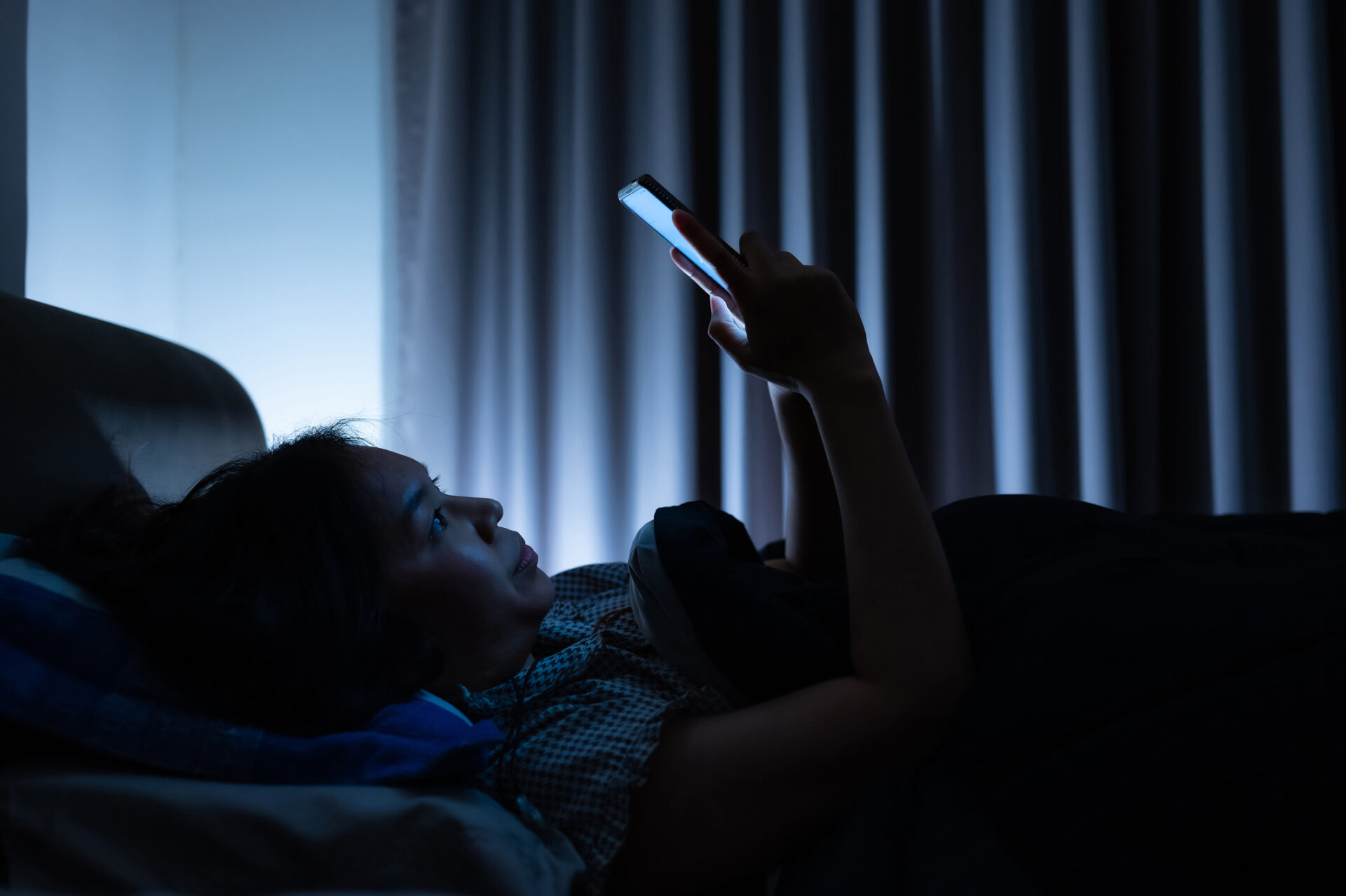
On the other end of the scale from absorption in nature there’s the rise of AI therapy, and a multitude of inexpensive apps now offering non-sentient chatbots to dig into your most personal problems. But while allowing for greater scalability and accessibility than human-based methods, AI bots lack the nuanced understanding of the human psyche which underpin counselling. In some cases, this lack of empathy has had disastrous consequences

What does this tell us about culture?

The optimistic take from all this is a massive de-stigmatization of mental health, and a growing recognition that looking after our wellbeing isn’t just a medical issue, but a matter of how we live day-to-day. In some parts of the world this outlook is already baked into culture, but certainly in the West, it feels like progression. 

In the case of AI therapy, we’ve been reminded of the pitfalls involved with automating essential services, and the vital importance of empathy when dealing with problems, however big or small. On the other hand, Green Social Prescribing shows us yet another area of culture where rediscovering our fundamental humanness is allowing us to feel better about the world and ourselves. 

While the results have been different, what both of these instances show is a generation who value self-care and demand a better way of dealing with mental health issues than they’ve inherited. In our view, the biggest success hasn’t come from any technological breakthrough, but by looking at what’s already working well in culture, in this case spending time together in nature, and applying it in new ways. The opportunity is for tech to support this, rather than replace it. 

  • Normalising normality: with so many people around the world finding comfort in a diagnosis around their mental health, the idea of ‘normality’ or a bell curve for mental health has been shattered; how does your brand take this into account? From background colour switching on websites, to creating variations of products and services – what can your brand do, who can it partner with, or what could it build?
  • Understand what it means to be human: as (it seems like) the entire marketing industry gets overly excited about integrating artificial intelligence into everything, remember that when everything is automated (and bland) what will stand out will be humanity. How can your brand retain its sense of human connection while utilising the best of emerging technologies?

To unlock more insights, email discover@culturelab.co 

(Sources: CultureLab CultureIndex, March 2025)