CLUED UP: INSIDE THE GEN Z PUZZLE BOOM

How with a few simple tweaks and a touch of opportunism, a 170 year old company sparked a crossword revival and changed the rules of publishing.

“Why is everybody so obsessed with puzzle games now?” asked style bible Dazed earlier this year, responding to the news that young people are doing more crosswords than Boomers. Once found only in the dormant corners of newspapers and doctors’ surgeries, puzzle games have burst into life on TikTok post-Covid, as influencers like @Dailyxsav share games and solve clues with a community of millions. 

But the story of modern Puzzlemania is really a tale of opportunity, ingenuity and smart business. And it begins with three men: Joel Fagliano, Matt Hural and Will Shortz. 

In the summer of 2014, the trio of New York Times staffers invented a mini-crossword to compliment the paper’s intimidatingly difficult full version, first launched in 1942. With pop culture-referencing clues written in the language of the internet, the mini-crossword immediately drew the ire of seasoned puzzlers, but being short, snappy and shareable attracted the attention of a younger generation, who loved clues like Blurb on a Bumble profile (answer: bio) and the fact the puzzles could be solved in a few minutes on your phone. 

Then came the pandemic, and what started as a quirky experiment would change the entire business model of one of the world’s biggest news publishers. 

With a population confined and bored, conditions suddenly favoured a major puzzle boom. Sales of jigsaws and board games rose by 240% during the first week of lockdown in the UK, Sudoku.com saw its user numbers double, and puzzle books were reprinted to keep up with demand. 

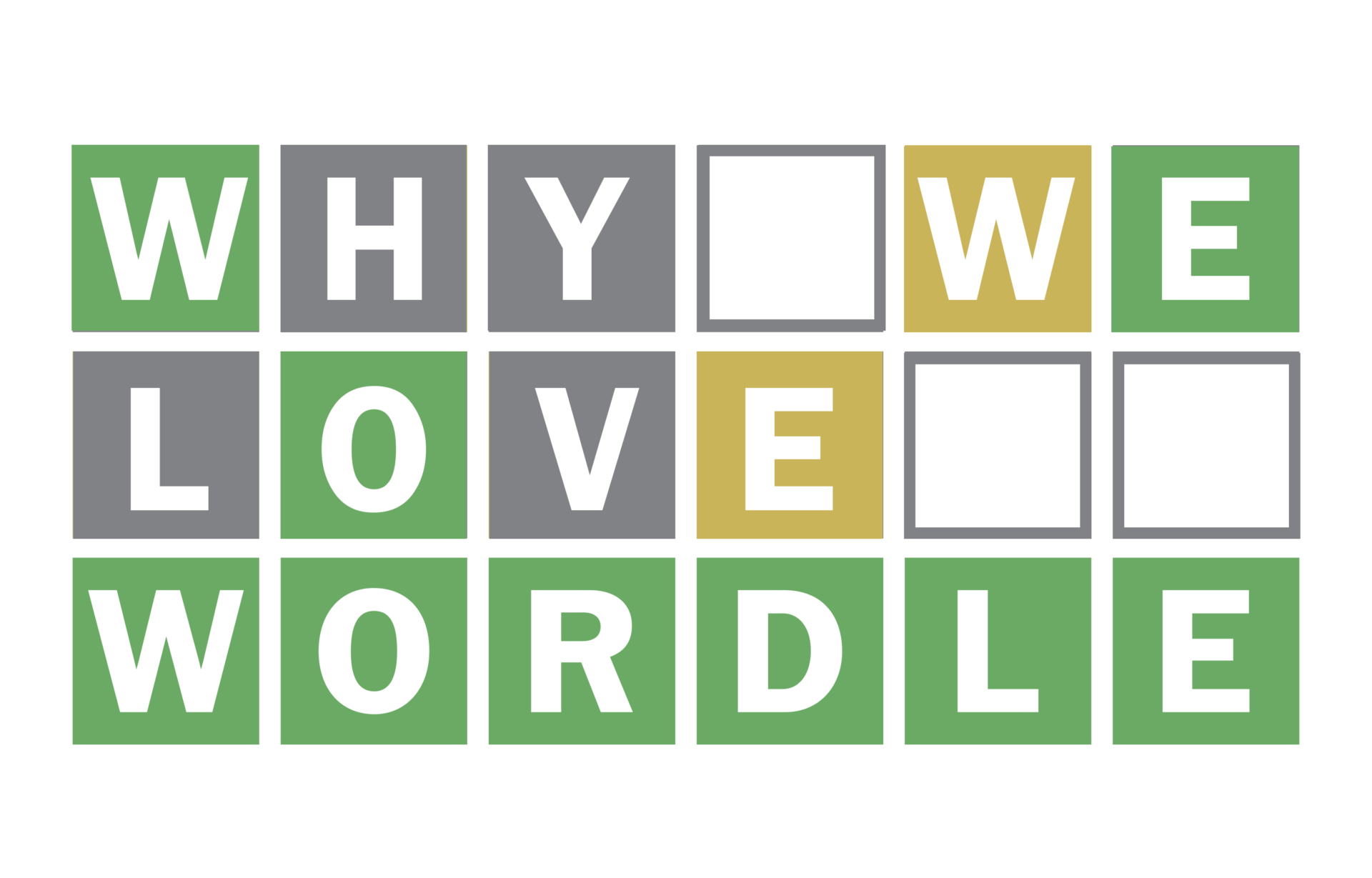
And with its mini-crossword already a Gen Z cult hit, the New York Times was well placed to enjoy a significant spike in users. Subscribers to its Games app increased by 55% during 2020. Spying an opportunity, the Times bought 2021’s viral breakout puzzle Wordle for a seven-figure sum, and focused strategy on non-news products like Games, Cooking and product review platform Wirecutter. Beyond the boredom of lockdown, puzzles have continued to rise in popularity, with many now becoming every day rituals between friends and family, providing a tiny but regular piece of cultural currency for WhatsApp groups and Zoom small talk. 

According to its 2024 Q1 report, those apps combined now boast more subscribers than the Times’ core news product, helping to double the company’s net income from $22 million to $40 million for that period. New York Times games were played 8 billion times in 2023, double the number for the previous year. And as the legacy media landscape crumbles around it, betting big on puzzles just rocketed the New York Times stock price to an all time high, leading to an often-repeated quip that “The New York Times is a games company that also offers news”. 

What does this tell us about culture?

It’s over a century since Britain’s Sunday Express became the first newspaper to include a crossword. It is not a new idea, but that in itself makes it interesting. In a world of tech startups, disruptors and innovators, all it took was sprucing up an old formula to unlock huge growth for a 170 year old company. 

And the magic ingredient that made the New York Times crossword stand out from the rest, which Head of Games Jonathan Knight describes as the puzzle’s superpower: “humanness”. 

The company runs a fellowship aimed at increasing the diversity of people who create crosswords, where new recruits are partnered with a mentor who helps bring their ideas to life. This ensures clues and language remain relevant and inclusive. Applying a DE&I strategy to your crossword team might have seemed trivial to newspapers a decade ago, but capitalising on that fresh perspective has helped the NYT bring in an estimated $100m via paid subscriptions to its Games app. In the age of AI created content, the human voice remains unbeatable as a tool for community building.

Thought starters for brands

  • Casual encounters. Marketing has been playing the attention game since the days of Edward Bernays, but are our thoughts on attention too close to the Ludovico Technique (a niche Clockwork Orange reference for you there), when they should be more like the Ludo King game? Casual gaming has been quietly establishing dominance in gaming over the past decade, and dwarfs eSports in scale – should your brand have a casual gaming strand to its marketing and communications plan? 
  • Innovation =/= invention. Our corporate obsession with the FAANGs over the last decade has skewed our understanding of innovation, and warped it into some odd hybrid of improving existing processes or products (innovation) and creating something totally new (invention), and with that warping, we’ve implicitly deigned that innovation is the remit of robotics engineers and computer scientists. Where does innovation hide in your company, and how can you unlock it by identifying the people who think differently? And what exists in your existing ‘archive’ that can be unlocked, reframed, and introduced to a new generation?
  • Humanity in the machine. While corporations of all shapes and sizes and across all industries invest heavily in artificial intelligence, could your business and brand zag and invest in areas where AI will always trail humans? How can your brand facilitate more humanity – that could mean simply bringing people together IRL, or it could go much deeper into the realm of building genuine communities that give people space to belong. 

To unlock more insights, email discover@culturelab.co 

(Sources: CultureLab CultureIndex, January 2025)