WHAT’S THE BUZZ ABOUT EATING INSECTS?

A handful of bug-based restaurants are trying to change the way insects are viewed by Western diners. The UN is getting behind it too. Does this signal the beginnings of a cultural shift? 

Would you eat a fried cricket? 

It’s a simple question, but one that might elicit vastly different reactions based on where in the world you live. 

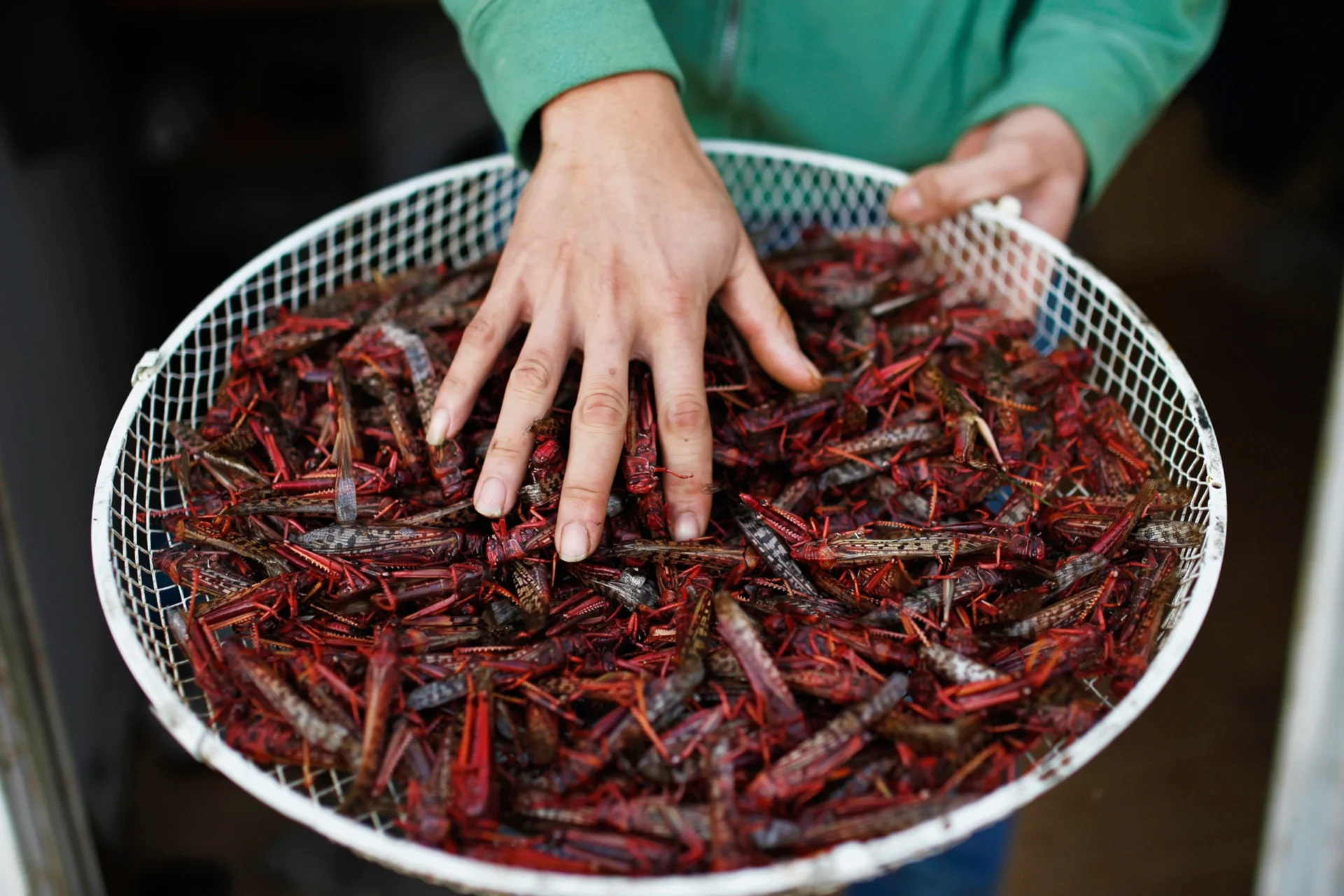
A quarter of the world’s population eats bugs. They’re a rich source of protein and plentiful in supply. In parts of Asia, Africa and Latin America, entomophagy (that’s the proper name for it) is commonplace. But not in the West. Despite previous attempts by optimistic startups to introduce insects into our diets, the ‘ick’ barrier has proven too high to overcome. We eat things that walk, swim and fly. Not crawl. 

But a buzz coming from the underground restaurant scene could signal a change on the horizon. 

After a successful pop-up with a 1,000 strong waiting list, cricket-based eatery YumBug recently joined London’s sizeable swell of small plates restaurants with a permanent spot in Finsbury Park. Tables for opening week this summer sold out in under an hour. This follows the success of Joseph Yoon’s Brooklyn Bugs in New York, who offer scorpion kimchi and tarantula tempura to adventurous patrons. 

Even in countries considerably further along in their insect-eating journey, new developments are being made. While YumBug was polishing its cutlery in London, 6,700 miles away in Singapore, the government approved 16 more insect species as safe for human consumption. Diners can now enjoy two more delicious species of moth, a honeybee and various larvae. 

The UN is backing bugs too, as a way to avert future food shortages and cut agricultural greenhouse emissions. According to a 2013 report from the UN’s Food and Agriculture Organization, crickets need 12 times less feed than cattle to produce the same amount of protein. It’s eco-credentials like this that prompted Barclays to announce that the edible insect market could reach $8bn by 2030, up from less than $1bn in 2019. 

What does this tell us about culture?

Insect-based restaurants may feel like a trendy north London novelty for now, but let’s not forget that sushi (“raw fish!? yuck!!”) was once only to be found in exclusive enclaves full of goateed gastronomes. Tesco now sells more sushi than sandwiches at lunchtimes. It’s entirely conceivable to imagine protein-packed mealworms stocked alongside beef jerky in stores within a generation.

While it’s true that startups selling insect-based snacks have tried unsuccessfully to infiltrate supermarkets in the past, we believe a trend rising organically from the avant-garde underground, as the success of YumBug and Brooklyn Bugs suggests, gives it a far higher chance of influencing wider culture. The underground needs convincing before the suits take notice. 

It’s also possible that the ‘yuck’ factor is less of an issue for younger consumers exposed to a range of global influences online from a younger age. Tourism to South East Asia from the West has increased in recent decades, and palates have opened up thanks to the likes of Anthony Bourdain and Action Bronson demystifying global eating habits for a Western Millennial audience. It’s just not cool to get the ‘ick’ over foreign food anymore. 

Thought starters for brands

  • Back a wildcard. The adoption curve might have become passe after overuse in the technology industry, but it can still help frame how trends on the fringes of culture may spread from the innovators and tastemakers to a majority mainstream audience over time. While food has a wealth of fringe trends that all vie for mainstream popularity, many make it through given a long enough window of time – sushi, protein powder, and oat milk are all good examples. This extended window of time gives brands in close proximity to food culture opportunities to test and experiment – so if you’re one such brand, which wildcard trends can you spot, and which are worth a punt?
  • Go beyond your back garden. Entomophagy also teaches us an important lesson about differences in the cultural timeline – as rapidly accelerating popular culture breaks down geographic boundaries, we’re going to see a lot more examples of cultural norms in one part of the world becoming emerging trends in other parts of the world. Brands would do well to broaden their aperture beyond the global north when thinking about ‘The Next Big Thing’ – where is your brand not looking?
  • Find a partner. If your marketing team has a little trepidation about stepping into a new space with both feet, then find a partner to dance with first. If a new trend in your market is a cultural norm in another, then it’s likely that there’s an existing ecosystem of partners, publishers, and people that can help your brand make its first steps. Look to fashion labels for examples of how to cross-borders most effectively – which leftfield collaborators could your brand work with?

To unlock more insights, email discover@culturelab.co 

(Sources: CultureLab CultureIndex, November 2024)