TROUBLE IN PARADISE: IS TIKTOK TOURISM BREAKING EUROPE?

Protests are erupting along the Mediterranean as record numbers of visitors descend on its quaint streets, fuelled by TV and social media. 

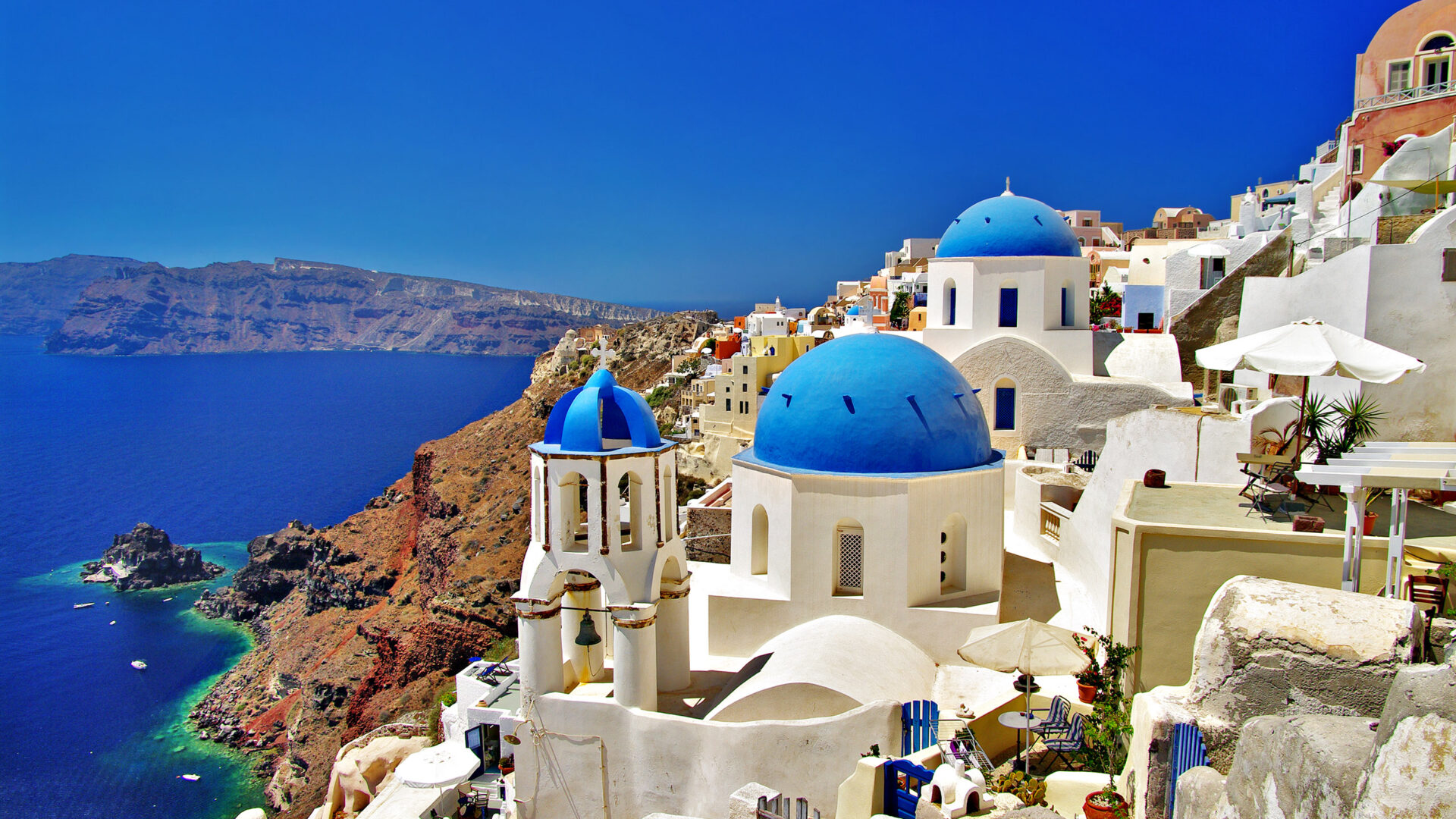
They say that the best the world has to offer lies along the coast of the Mediterranean. Beautiful food, beautiful skies, beautiful people. A crucible of culture where the winding cobbled streets and azure coastlines have inspired poets and artisans for thousands of years.

But all is not well on the Med. The rise of TikTok tourism has visitors pouring into the region in unprecedented numbers, causing tensions on the ground over the summer. In Barcelona, visitors were squirted with water pistols as 3,000 protestors marched with banners saying “TOURISTS GO HOME”, demonstrations and graffiti appeared from Marseille to Milan expressing the same sentiment, and in May an exasperated Venetian woman made headlines after attacking two dawdlers on a gondola. 

The Med’s moment in the sun is becoming a little too hot for some. 

What’s the issue?

Protesters acknowledge that local economies rely heavily on tourism, but finding the balance between earning a living and protecting the soul of a community is proving a struggle, and the feeling is that authorities should be providing more support.

Among the problems cited is the rise of digital nomads – remote workers who bounce around the Mediterranean with a laptop and a high salary, taking out short-term lets in prime locations. Homeowners can earn more from these temporary lets than the traditional rental market, pushing up prices and forcing locals out of areas they’ve lived and worked in for generations.  

Barcelona has responded by pledging to ban short-term holiday lets from 2028, but the city is struggling with other problems like pollution from a constant stream of cruise ships, and a general disregard for the city’s heritage from tourists. In Lisbon, souvenir-hunters casually break off the hand painted decorative tiles that have given the buildings a unique charm for hundreds of years. 

How did this happen?

On a wider scale, the post-Covid ‘revenge travel’ boom released flocks of pent-up intrepid people out into the world with savings pots to spend. But looking at culture, The White Lotus effect is impossible to ignore. In the US, searches for travel to Sicily went up 50% following the show’s record-breaking series 2 finale in 2022, contributing to unprecedented tourist numbers pouring into Italy the following year. 

We’ve seen symbols of ‘la dolce vita’ featured heavily in culture ever since, and at all levels, from Amalfi lemons in fast fashion to the yuppie cult of Perello olives. It’s no surprise to see this driving interest in neighbouring regions with a similar look, like the Greek islands and French riviera.

What does this tell us about culture?

TikTok tourism is a powerful tool, and the way we travel today is as much about aesthetics as activities. We’re seeing this trend around the world, as previously off-the-beaten-track locations become famous on social media overnight, unleashing a mass of lollygaggers that local infrastructure is incapable of dealing with. 

But the power of high quality, long-form storytelling is arguably even stronger. 70% of Gen Z and Millennials said they were inspired to book a trip based on a TV show, according to research by American Express. There is an opportunity here for brands to invest in this type of content over traditional ads. 

And while conversations around ethical travel tend to focus on the carbon footprint of flying, the sustainability of the places themselves, and communities who live there, clearly has room to develop. 

Three key takeaways

  • Brands who lean into the aesthetics and culture of a region should consider making a positive real-world contribution to the area. 
  • This could be by platforming local small businesses in campaigns or working with local creatives and ensuring they’re paid fairly. 
  • There is also an opportunity for brands to invest in training and infrastructure to ensure ‘hot spots’ aren’t overrun and local businesses can reap the benefits of a tourism flashpoint.

To unlock more travel insights, email discover@culturelab.co 

(Sources: CultureLab CultureIndex, August 2024)