DIALLING BACK: THE RISE OF ANTI-SMARTPHONES

With a celebrity rapper endorsement, anti-smartphones are driving conversations around screen addiction in young people. Does this signal the emergence of a new tech-regressive market?

In late 2023 rapper Kendrick Lamar released a limited edition mobile phone with tech startup Light. Usually when celebrities enter the tech space it’s to lend their name to some future-piercing innovation or high-end luxury product, but not this time. 

Kendrick’s Light Phone II has no camera, no apps and no web browser. You can call, text, set an alarm and listen to music. That’s pretty much it.

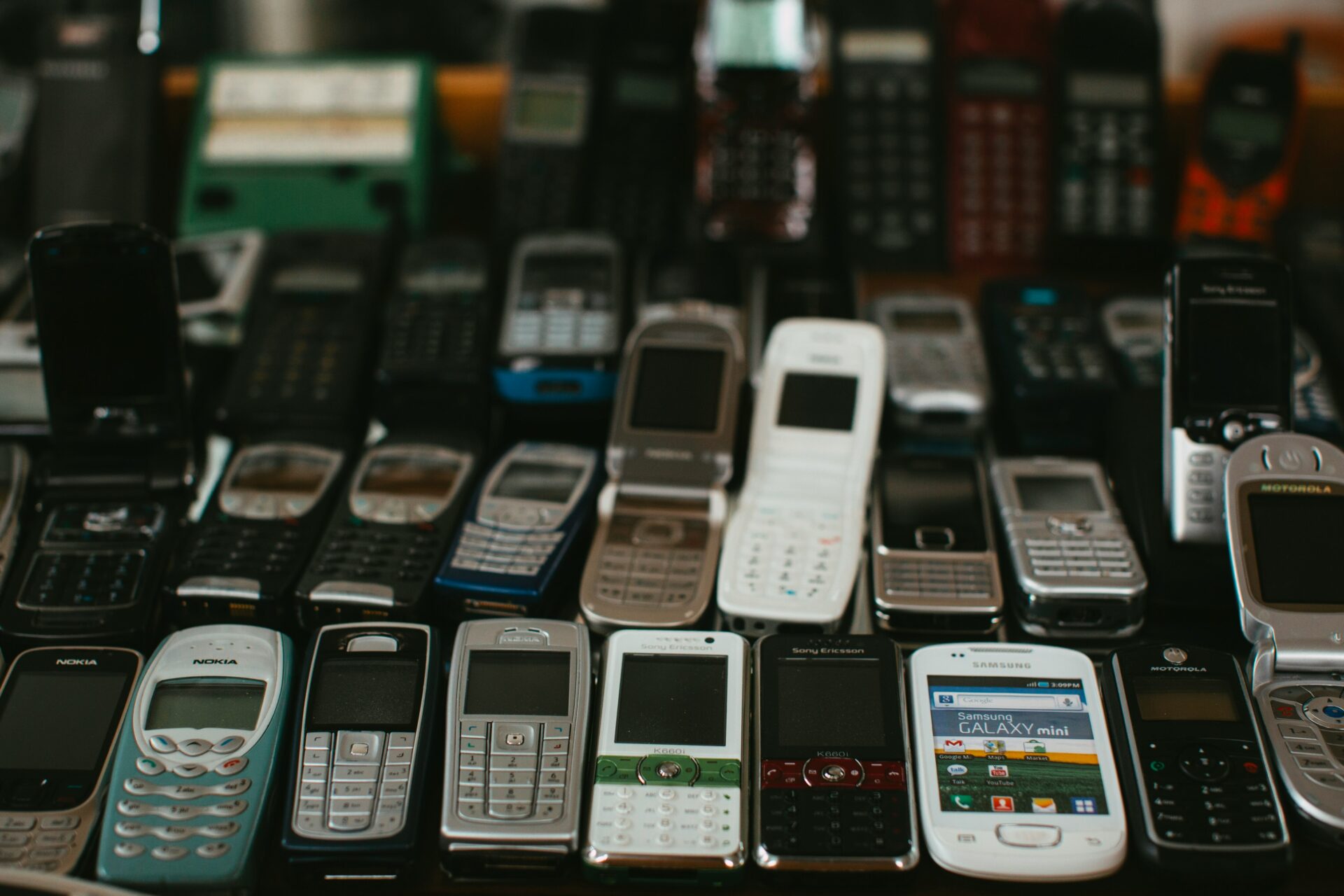
Deliberately lo-fi and distraction-free, Kendrick’s device is part of a wave of ‘feature phones’, or ‘dumb phones’ as they’ve become known online, appealing to young people increasingly conscious of the negative effects of excessive smartphone usage. 

Whether vintage flip Motorolas found on eBay or intentionally minimal new models like Lamar’s, these basic handsets provide users with an alternative to the endless spiral of doom scrolling and notification-anxiety that many say are contributing to a global mental health crisis. A subreddit dedicated to the devices has 70,000 members, with reduction in social media usage one of the main motivators discussed. Even Barbie has released a flip phone

What does this tell us about culture?

While anti-smart phones are still a niche market overall, endorsements from Kendrick and Barbie show that digital detoxing has become part of Gen Z’s wider cultural conversation. As the first generation to have grown up online comes of age, it’s no surprise to see a period of reflection on healthier tech habits, with products and micro-cultures emerging around those needs. 

The ‘dumb phone’ craze is not inherently anti-technology, but a sign of Gen Z experimenting with ways to be more mindful of the role tech plays in our lives. This is a constructive development that brands can lead in. 

It’s also no surprise to see this trend rising at the dawn of the AI smartphone era, as Google, Apple and Microsoft race to cram ever more tech into their devices, and into our lives. We’ve identified several areas of culture recently where tension between computer automation and the human experience is bubbling beneath the surface. 

There’s undoubtedly a hefty dose of nostalgia at play here too. The flip or slide designs are often the first thing referenced in media coverage of the trend, and many reviewers agree that the allure of returning to a simpler time is a key driver. 

Three key takeaways

  • The world is bigger than our screens – and the backlash against technology and a desire to return to a ‘simpler time’ runs across multiple cultural lines. What we believe we’re starting to see is a gradual shift in value and belief systems that reflect a more healthy relationship with the complexities of modern life and technology. 
  • Consider developing products, services, and approaches to marketing that promote healthy tech relationships. These don’t have to be tech-regressive, but simply show that safeguarding is considered and built-in. 
  • Provide opportunities for people to connect offline. We’ve seen spikes in interest for hiking, book clubs and even birdwatching recently. Work with communities like this and provide them with the support they need to grow.

To unlock more technology insights, email discover@culturelab.co 

(Sources: CultureLab CultureIndex, August 2024)