THE AI GENERATED PORN INDUSTRY IS BOOMING

From deepfakes to avatars, the controversial use of AI tools in the adult industry is already altering the way we think about performance and creativity.

“AI porn is still the Wild West” – Dazed. 

They say you can always look to a handful of industries for signs of where the future of tech is heading. Gambling is one, the military another. And then there’s porn. 

Since the first adult movie was shown in 1897, the adult industry has repeatedly pioneered technology that we all take for granted today. If you’ve streamed video, purchased with a credit card online, used a webcam or even read subtitles, you’ve benefited from porn-driven innovation. 

It’s unsurprising, then, to learn that adult content now finds itself at the forefront of discussion around AI. 

For those new to the concept, the term ‘AI-generated porn’ generally means one of two things. Firstly, there’s the disturbing world of deepfakes, where a real person can be made to look as though they’re doing something that never actually happened, without their consent, with the use of basic AI tools. Much of the concern so far has centred around the manipulation of political figures, but a 2019 study found that 96% of all deepfake videos online were pornographic. 

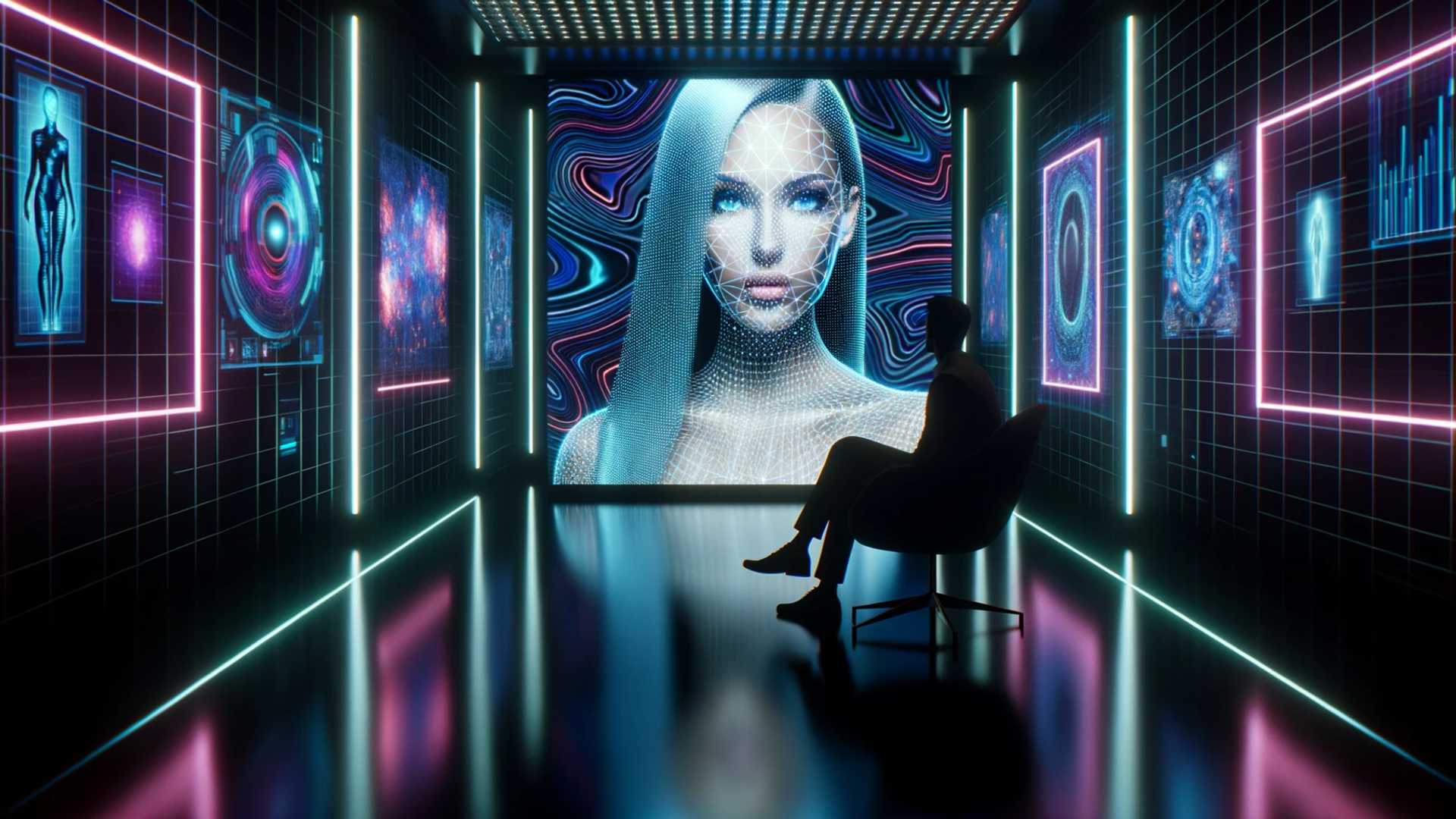
Then there’s the use of AI generated ‘performers’, avatars that can be created from scratch using readily available websites and some basic coding skills. While clearly less harmful than deepfakes, these pulseless entities are not without their own ethical issues. 

In recent years, creator-led platforms like OnlyFans have helped female sex workers take back control of content made with their own bodies, while earning the lion’s share of the profits. A boom in female AI porn stars designed by men (as they generally are) using data scraped from real performances by women, could see that progress reversed. 

There already exists fierce debate around AI bots ‘learning’ by scraping art created by humans, but this development goes one step further and allows AI to replace performers, often without full disclosure to the viewer, and with the earnings funnelled into a small, murky pool of unaccountable male tech developers. 

In our view, the controversy surrounding what’s ‘real’ in the adult industry is a sign of what’s to come in entertainment as a whole. A shift towards AI generated production may shrink labour costs and sidestep difficult personality issues, but audiences are likely to demand greater transparency, as A24 found out recently when their AI-made posters for the movie Civil War received significant backlash. We’re also likely to see some brands doubling down on authenticity in response, wearing their ‘human-only’ credentials as a badge of honour. 

The good news is there are plenty of positive opportunities for brands to lead in this space. Here are a few points to consider:

  • Understanding the nuances of your audience’s attitudes towards AI is an essential starting point. Research and engage with the community to find the pain points – and understand where their values and beliefs might lead them as we step into this new world. 
  • By taking the time to understand how AI tools can boost – rather than replace – human creativity, brands can demonstrate what a useful, progressive relationship looks like. This is the brand you want to be. Open and transparent, forward-thinking, but never forgetting authentic. 
  • There are plenty of creators and artists using AI in interesting and ethical ways, from music to film. Platforming these forward thinkers and bringing them into the community too will enable  brands to be at the forefront of the conversation in a genuinely meaningful way. 

To unlock more entertainment insights, email discover@culturelab.co 

(Sources: CultureLab CultureIndex, July 2024)