CALI SOBER AND THE RISE OF ALCOHOL ALTERNATIVES

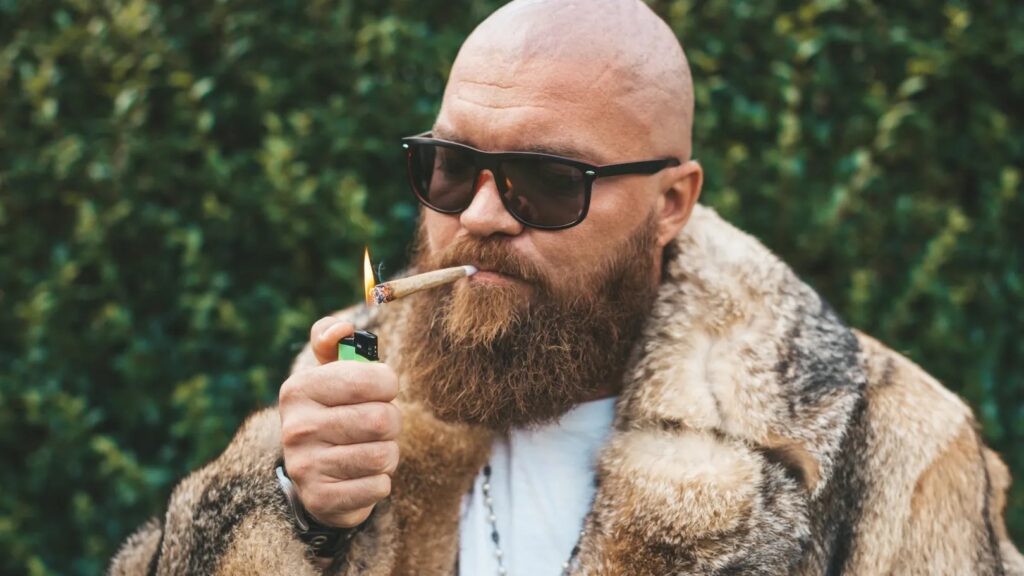
Ever heard the term ‘Cali Sober’? It means abstaining from all alcohol and drugs other than cannabis, as they do in California. Demi Lovato wrote a song about it, and it’s becoming more common around the world as young people continue to turn their backs on booze. 

Some commentators will tell you that the global decline in alcohol sales is a sign that Gen Z don’t know how to have a good time. 

We think that’s misguided. 

It’s not that young people have suddenly stopped taking mood-altering substances to soften the sharp edges of everyday life, it’s just that the array of available, and indeed acceptable, drinks and drugs has widened, challenging alcohol’s dominance. 

Crucially, the substances we’ve seen on the rise recently often appeal to a self-care mentality that alcohol can’t compete with. To a generation acutely aware of their own wellbeing, getting wildly drunk with reckless abandon (and the hangover anxiety that often follows) has all the appeal of an ageing rock star forgetting their own lyrics. 

With a number of progressive US states legalising marijuana in recent years, going ‘Cali sober’, a term for using only weed and no booze, has become something of a cultural choice as much as a lifestyle one. New Frontier Data, a cannabis research firm, recently found that more than 69% of 18–24-year-olds prefer cannabis to alcohol.

Also stemming from the same family is CBD, or cannabidiol, a natural and legal substance derived from the cannabis plant, which users say has therapeutic benefits without psychoactive side effects. CBD has grown to become a $7bn global industry over the last decade thanks to its positive associations with mental health: it’s likely your local shopping centre sells everything from CBD infused skincare to CBD bath bombs and, of course, beverages. 

There was a time, not so long ago, that talking about magic mushrooms as a recreational party drug would’ve surprised most people outside of the psychedelic New Age circuit. Today however, an increasing number of young clubbers are experimenting with small doses of ‘shrooms as a more health-conscious alternative to other substances, including alcohol. Users describe a calm feeling of wellbeing without a loss of control or crippling hangover. 

It should come as no surprise that a young generation overwhelmed by stimulation should go in search of placid, introspective experiences over the high-octane world that alcohol brands promised. Turning the dial back down from 11 feels welcome in an unpredictable world stumbling from one existential calamity to the next. But what can brands learn from all this?

  • Brands within the drinks space must understand that the types of experiences that younger generations are looking for have changed. Cali sober is a symbol of that change, but doesn’t mean that alcohol abstinence is a generational shift. Instead, it suggests that the palette for experiences now includes other substances, and the end destination of the experiences people are looking for has broadened out too – meaning that there are now more consumption occasions. For brands that understand how to harness the power of culture, that takes a perceived headwind and turns it into a powerful tailwind.. 
  • For food and drink brands in particular, it’s important to demonstrate how your products not only help facilitate new types of experiences (exploring natural wine, food pairing, alcohol free beverages etc) but also how your brands are supportive of these new beliefs and rituals.
  • Rather than see these cultural shifts as headwinds, we think it’s important for brands to lean into them, expand the aperture of what your brand stands for, and they provide an opportunity to broaden out your brand platform too. If approached in the right way, the possibilities for your brand just expanded massively.  

To unlock more food and drink insights, email discover@culturelab.co 

(Sources: CultureLab CultureIndex, June 2024)