BABY FACE: HOW TWEENS ARE STARTING TO PREEN

The pursuit of eternal youth is becoming an eternal pursuit for the youth too, as younger and younger generations embrace skincare.

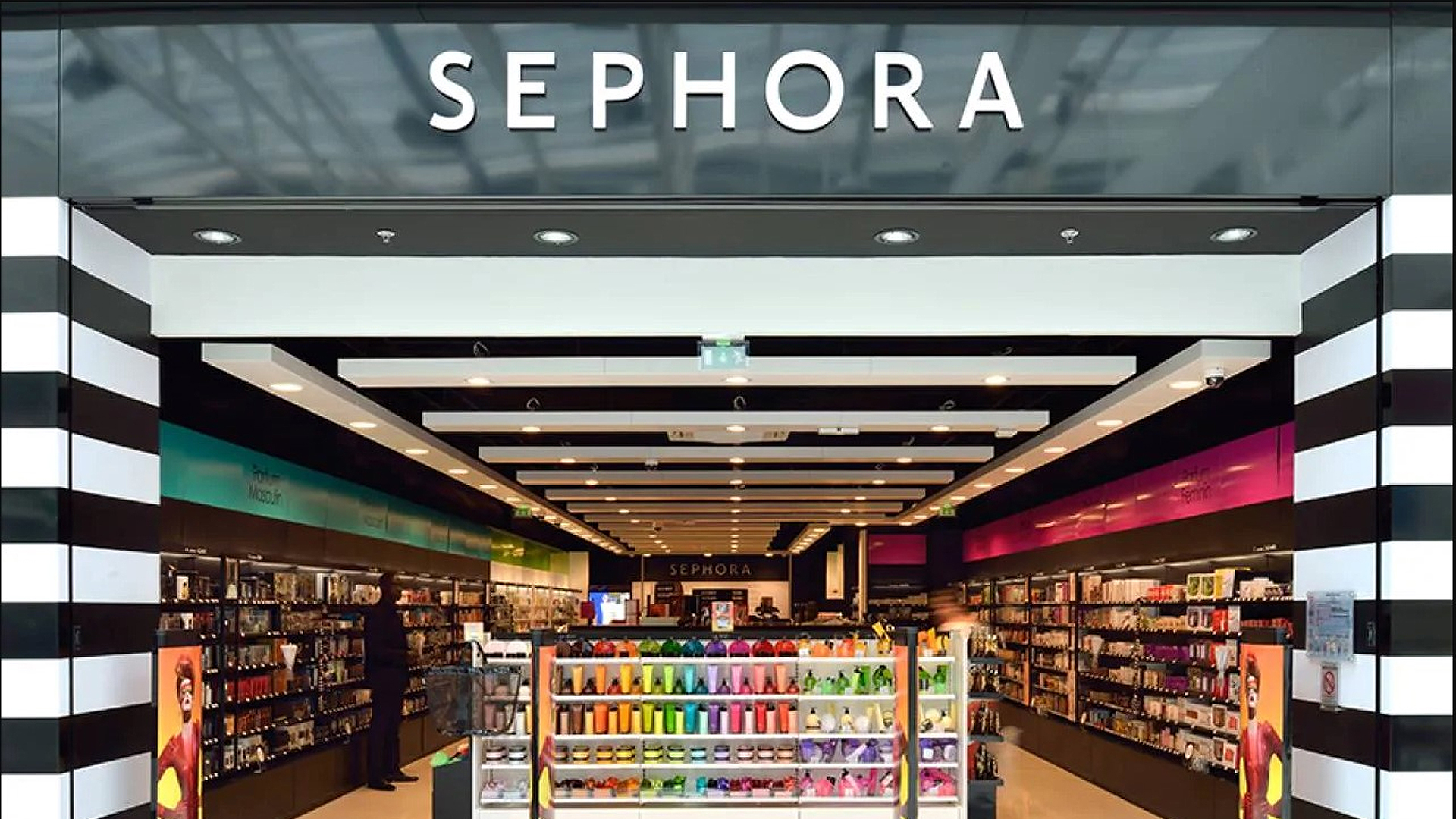
Earlier this year, gangs across the world stormed Sephora stores – it was a coordinated moment, driven by news of a restock that spread across TikTok faster than you can say “children don’t need anti-aging creams”.

Yes, we’re talking about tweens and the Drunk Elephant restock at Sephora. 

Over the last year tween skincare has proven multiple beauty commentators wrong; first it was a TikTok fad that would be dead in days, then a fashion that might stick around for a few weeks or a month at most, but now the world’s of wellness and beauty are having to accept that Generation Alpha have spending power, and a new subculture has arrived; the tween skincare. 

Through our CultureIndex data and alpha Navigate product, we’ve seen a flurry of data points showing that this subculture has a firm set of values, rituals, symbols and signs, and its own clearly defined language too. But how did this happen, and what does it mean for popular culture more broadly?

The genesis – like so many wellness, and fashion and beauty trends – has one foot in the COVID-19 lockdowns, another in the increasing ‘connectedness’ of cultures across borders and boundaries (research from 2023 showed that children aged 4 to 18 spent an average of 112 minutes per day on TikTok), and a third foot (?) in the exposure of younger generations to adverts aimed at adults.

As this movement has grown from fad to a fully formed subculture, brands focused on Gen Alpha skincare needs (such as Spots and Stripes, and Skin Rocks) have come to market, with many helping to guide their younger customers to make positive, and sensible choices (as pointed out by Dr Alexis Granite in Vogue here, a lot of products are unnecessary at best, harmful at worst). 

Looked at from a broader perspective, this newly minted subculture carries strong signals of the value systems at play with Generation Alpha; there’s a focus on health and wellness, on staying healthier for longer, and it would appear a realisation of their own agency in a world of influence. 

In 2023 McKinsey reported that between 2020 and 2022 the skincare category grew by $100b+ – and while that’s certainly not driven entirely by this new market, the tween skincare subculture will undoubtedly be a factor. Brands in and out of category have an important role to play here – and more than that, an ethical responsibility in how they communicate, develop brand and product propositions, and how they partner with media organisations responsibly. 

These are three areas that have ramifications beyond beauty and wellness, and our three key takeaways reflect that broad nature:

  • Brands need to understand and account for the fact that younger generations are seeing how they communicate to adults – to avoid outright bans on communications, brands that have products or services that may appeal to younger generations should always apply a ‘targeted at, overheard by’ mindset to their messaging, media, and overall brand communications.
  • There is a huge opportunity for a brand to step forwards and take a leadership role in setting a high standard for communicating with younger audiences. While businesses should demonstrate absolute care and responsibility in how they provide guidance and advice – they should also demonstrate empathy and understanding of these younger audiences. Finding responsible ways to channel their energy for exploring health and wellness can build a positive environment that’s culturally additive and demonstrates true cultural leadership.
  • As we continue into uncharted waters, it’s important to give a platform both to experts who are trying to dispel myths, provide responsible advice, and to the younger generation themselves. This trend shows an underlying desire to explore their own sense of identity and agency – and to protect their long term health – so they should have a voice too!

To unlock more wellness culture insights, email discover@culturelab.co 

(Sources: CultureLab CultureIndex, May 2024; “Born connected: The rise of the AI generation”, Qustodio, January 2024; “The Beauty Market in 2023”, McKinsey, May 2023)